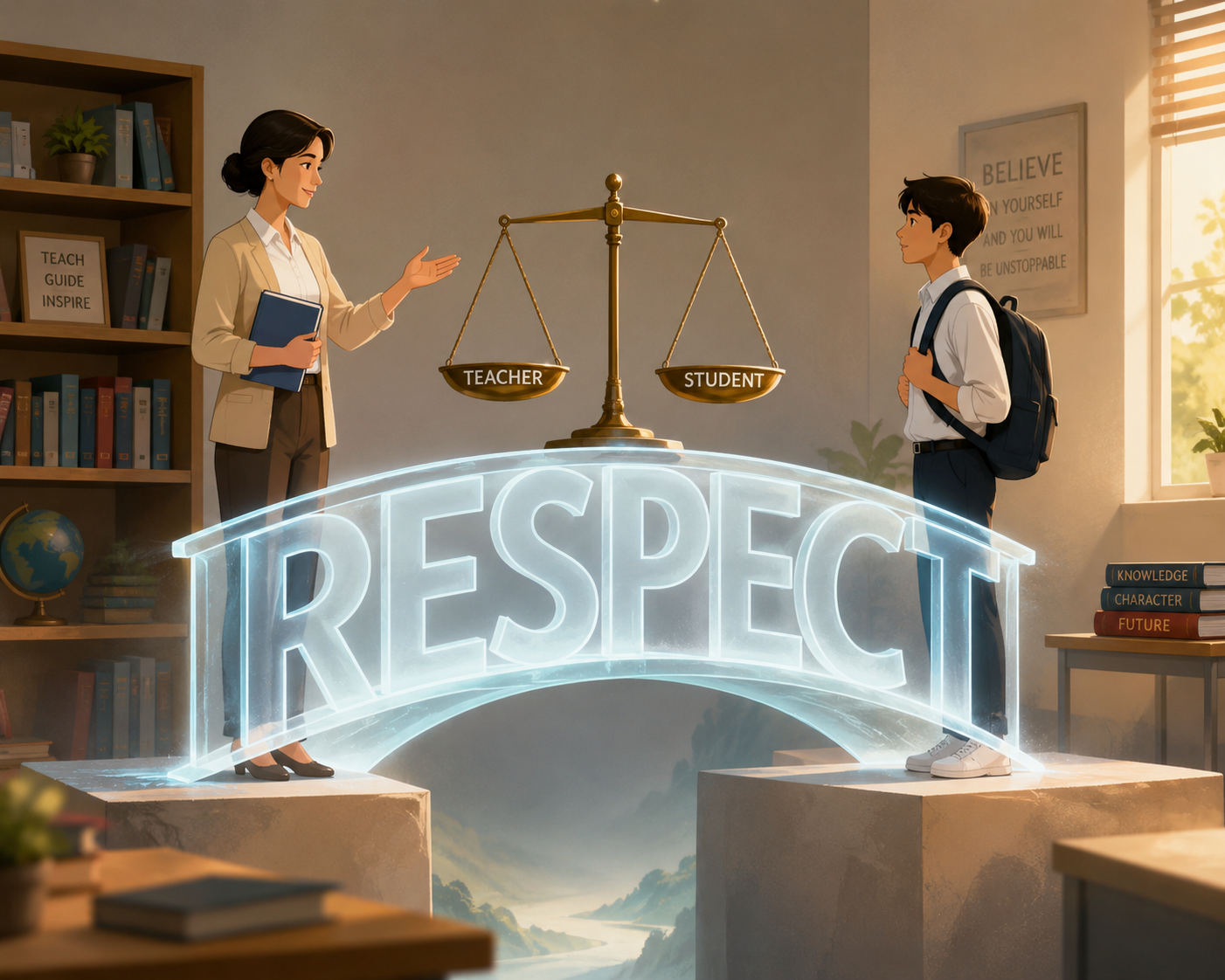
For many educators, the word "no" feels like a barrier to connection or a sign that we aren't being "team players". However, the sources suggest that learning to say "no" is not about rejection, but about being strategic, protecting well-being, and ensuring we can give our best to what truly matters. By understanding both the professional necessity of boundaries and the student's perspective on them, teachers can create a more sustainable and respectful learning environment.
The Student’s Perspective: Why Boundaries Matter
From a student's point of view, the pressure to say "yes" to every academic and social opportunity is overwhelming, often driven by a Fear of Missing Out (FOMO) or people-pleasing tendencies. Students realize that without boundaries, they face burnout and compromised academic performance. When a teacher says "no" effectively, it models a crucial life skill: the ability to prioritize mental health and focus over-crowded schedules. Students actually feel safer and more respected when boundaries are clear because they provide structure and predictability.
Sequence 1: Saying "No" to Students Without Damaging Rapport
When a student asks for something inappropriate or provides a wrong answer, a blunt "no" can trigger defiance or a fear of taking risks. Instead, use this three-step framework:
- Acknowledge the Want: Start by showing you have heard them, which prevents the student from feeling rejected. For example, "I get why you want to do that; it sounds like fun".
- State the Boundary: Keep the refusal calm, short, and focused on the current necessity. Use phrases like, "But it’s not possible during lesson time".
- Offer an Alternative: Provide a way forward so the student doesn't feel shut down. You might say, "We can do that at break time" or "How about I write one word of the title, then you write the next?"
Sequence 2: Handling Incorrect Responses Productively
To maintain a classroom tone of acceptance, teachers should handle wrong answers with care to encourage continued participation.
- Identify with Their Reasoning: Acknowledge the logic behind their mistake. Use phrasing like, "I can see why you thought that, but I was looking for a different strategy".
- Validate the Difficulty: If a question is complex, admit it. Saying, "This is a tricky question! I had a feeling I would trip someone up," makes the student feel less alone in their confusion.
- Find Helpers: Instead of moving to another student, ask the class to build on the initial thought. Use: "Can anyone add to what Tommy said to get us to the right answer?"
Sequence 3: Setting Professional Boundaries for Yourself
Teachers often feel "education guilt" when asked to take on extra committees or roles. To avoid burning out or "falling apart" from overcommitment, use these strategies:
- Request Reflection Time: Avoid the knee-jerk "yes". Use phrases like "May I have time to reflect?" or "I’ll need a day to think this through" to buy space for a calculated decision.
- Create a Concept Map: If you aren't sure why you want to say "no," map out your reasons. This helps determine if you are refusing because of a lack of belief in the task or simply a lack of time.
- Back Out Gracefully: If you've already said "yes" but realize you cannot fulfill the commitment, apologize sincerely and briefly explain the change in circumstances without over-explaining. Offer an alternative, such as helping to find a replacement.
Conclusion
Mastering the art of saying "no" allows educators to transition from being "everything to everyone" to being focused, effective leaders. Whether it is redirecting a student’s behavior or declining an extra administrative burden, a well-placed "no" is ultimately a "yes" to your goals, your well-being, and your students' success. By being clear, kind, and consistent, you build a culture where boundaries are respected as a foundation for growth.
forum Discussion
No discussions yet. Be the first!