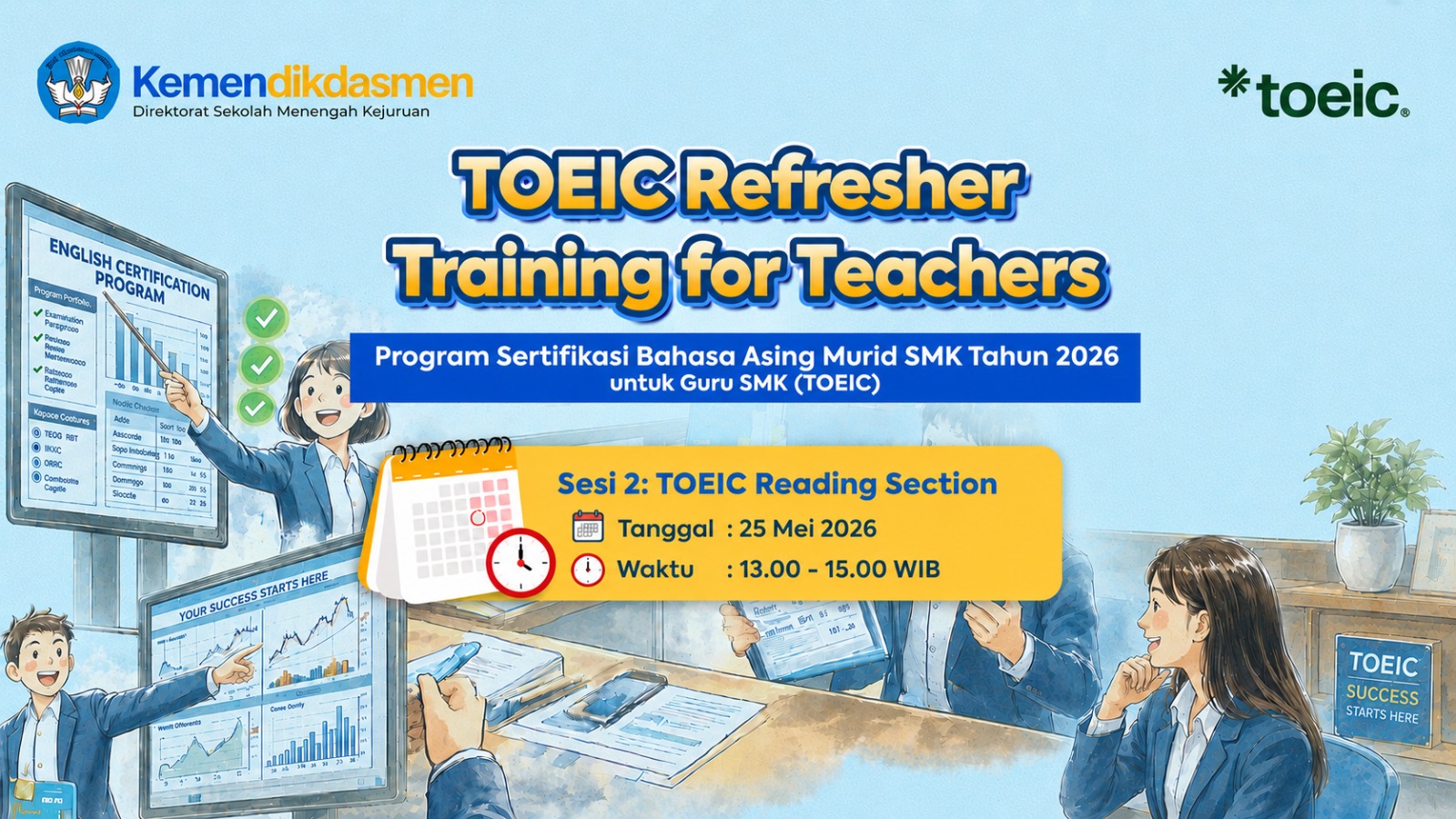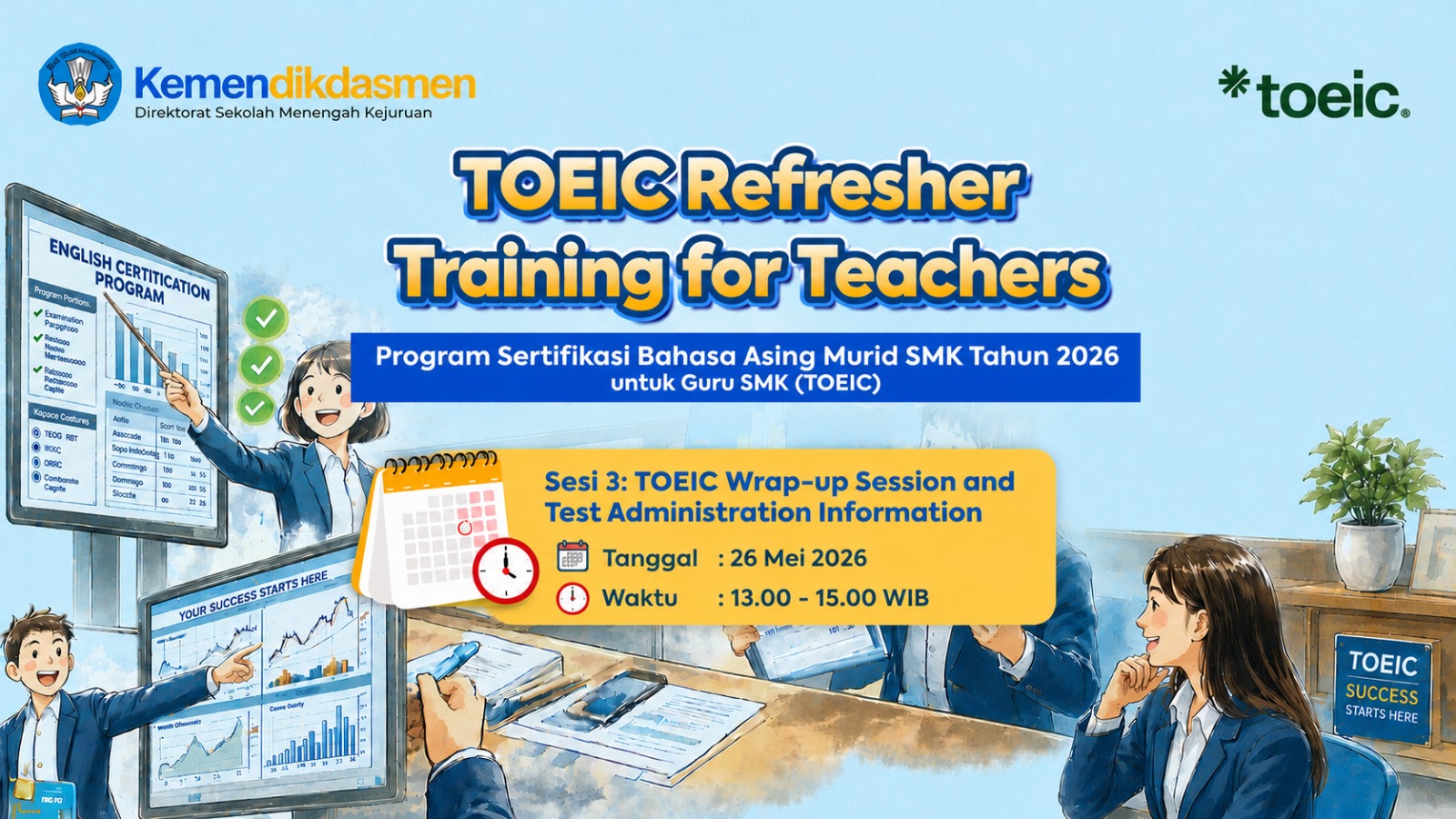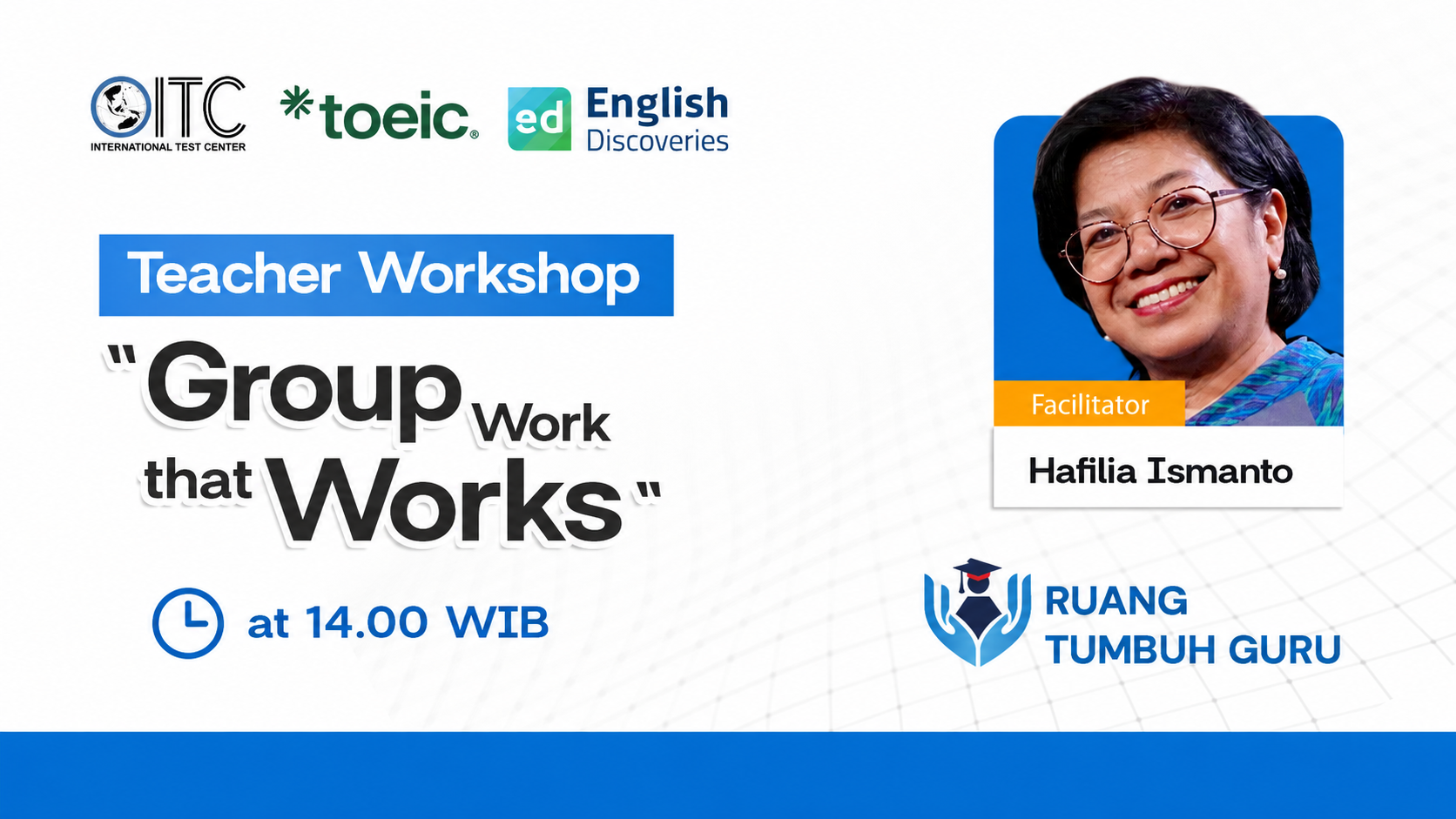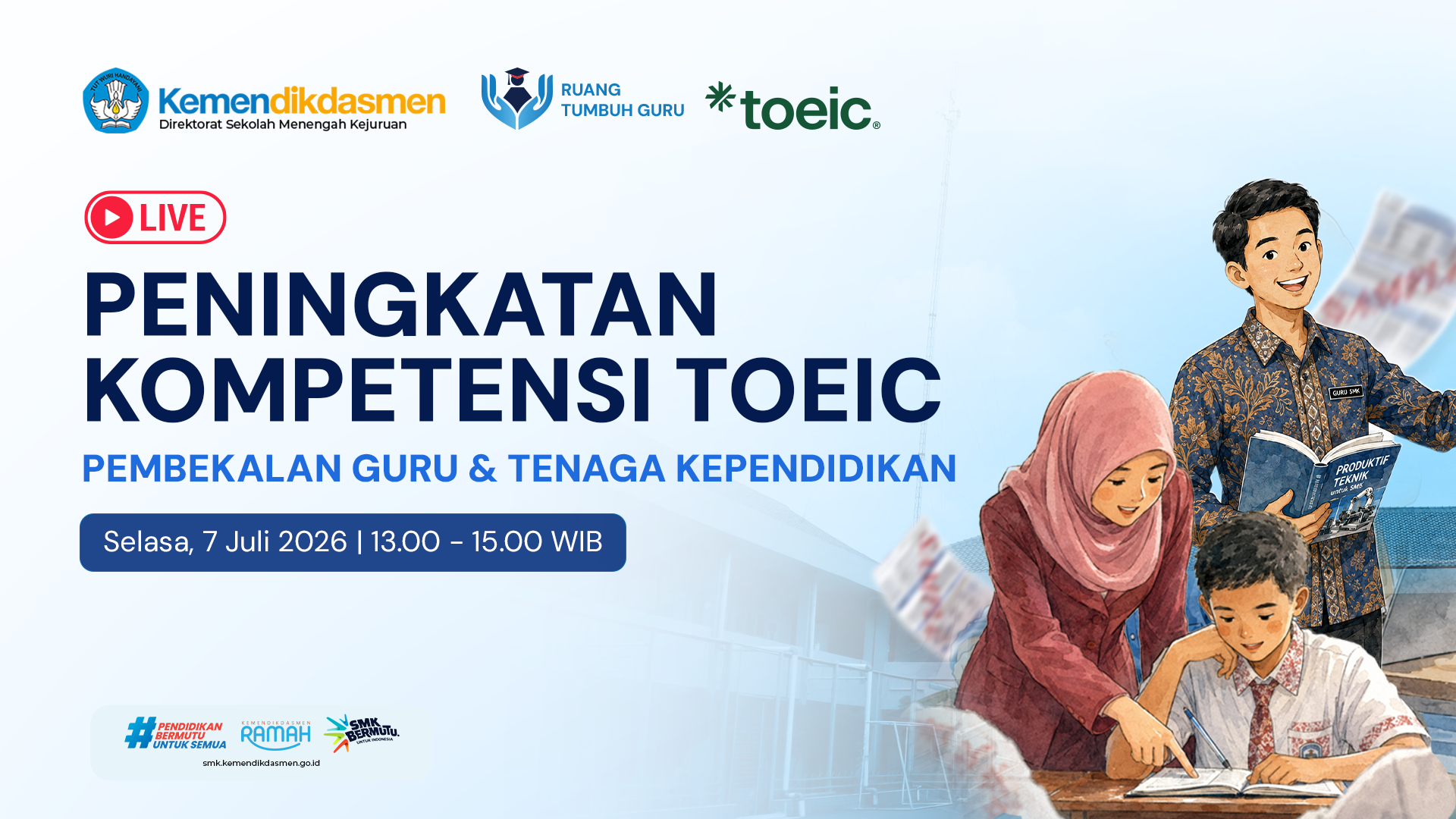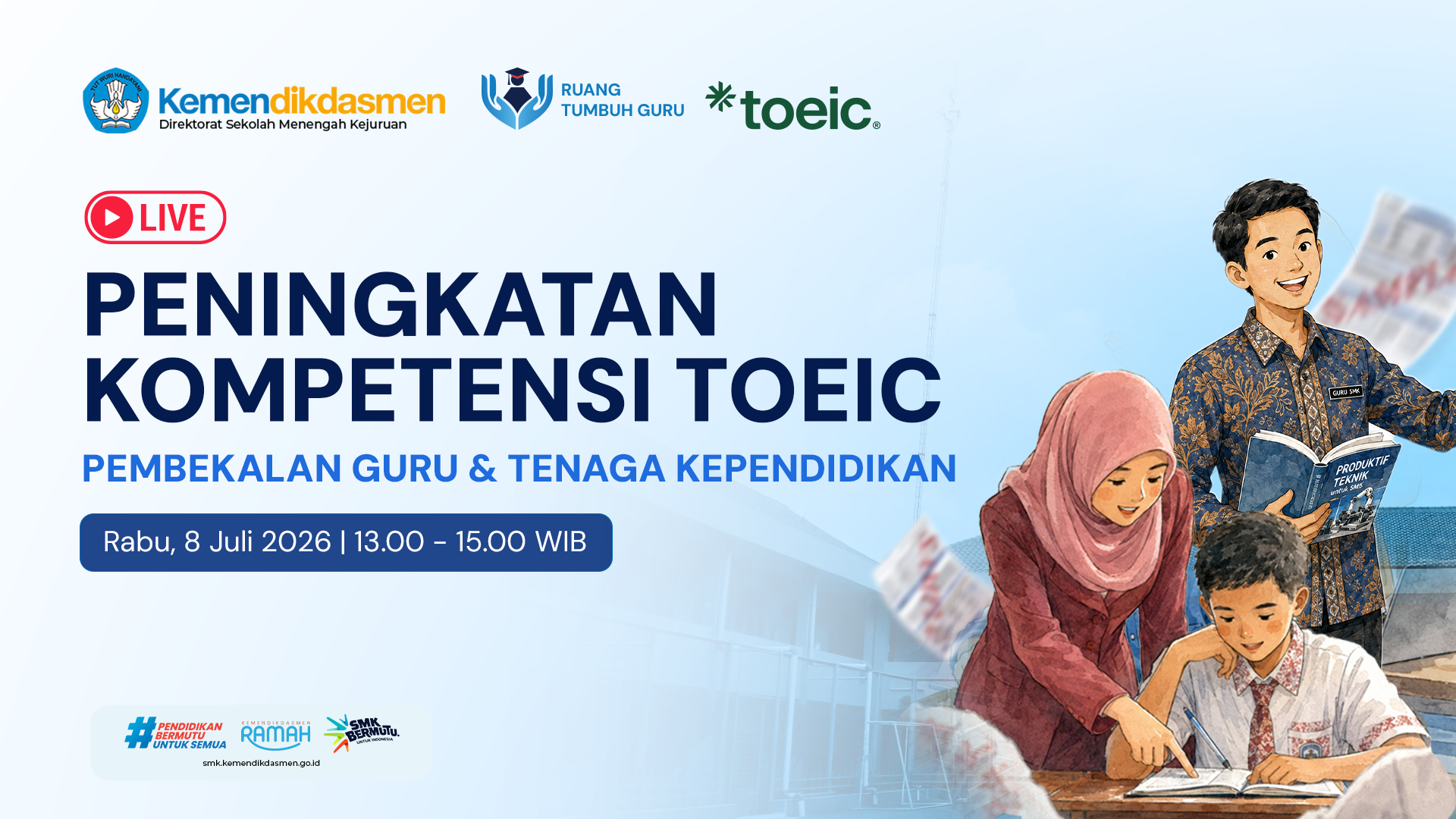
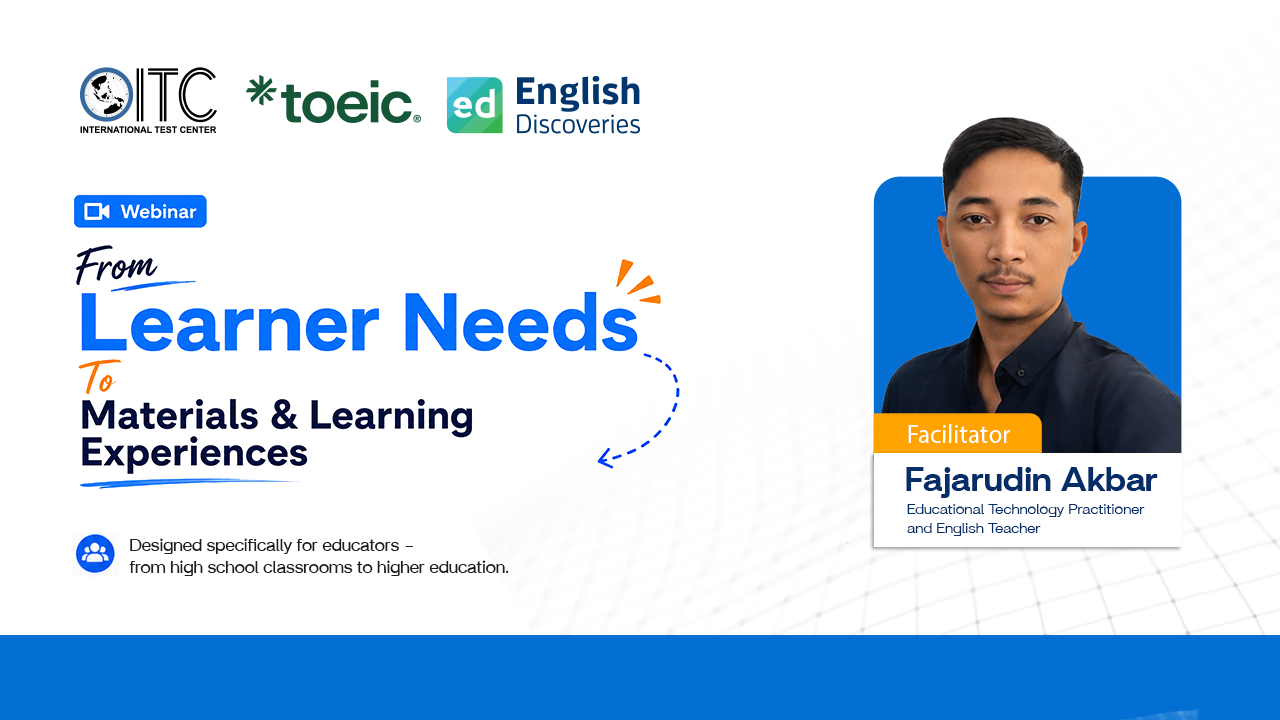
TOEIC Refresher Training for Teachers - Session 1 Listening Section
lock Login untuk Recording
Selected sessions for professional growth.
lock Login untuk Recording
Recording Not Available history_toggle_off
lock Login untuk Recording
Practical strategies and inspiration directly from educators.
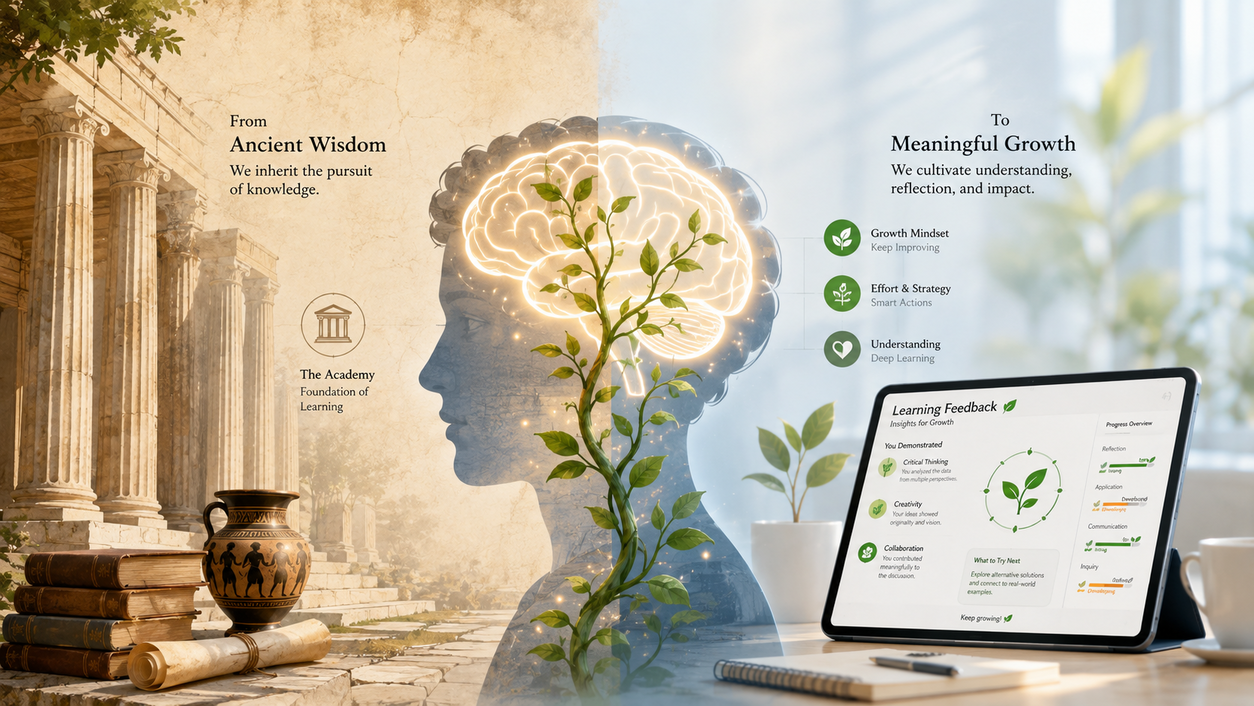
Artikel ini membedah transformasi peran guru dalam ekosistem pendidikan yang semakin terintegrasi dengan Kecerdasan Buatan (AI). Meskipun AI menawarkan efisiensi dalam personalisasi pembelajaran dan tugas administratif, teknologi ini tidak mampu menggantikan dimensi fundamental kemanusiaan seperti empati, integritas, dan penilaian moral. Dengan mensintesis data mengenai penggunaan AI di sekolah dan tantangan yang muncul, artikel ini menegaskan bahwa keberhasilan pendidikan di masa depan bergantung pada transisi peran guru: dari sekadar penyampai informasi menjadi pembimbing kritis yang menanamkan kebijaksanaan dan karakter pada peserta didik.
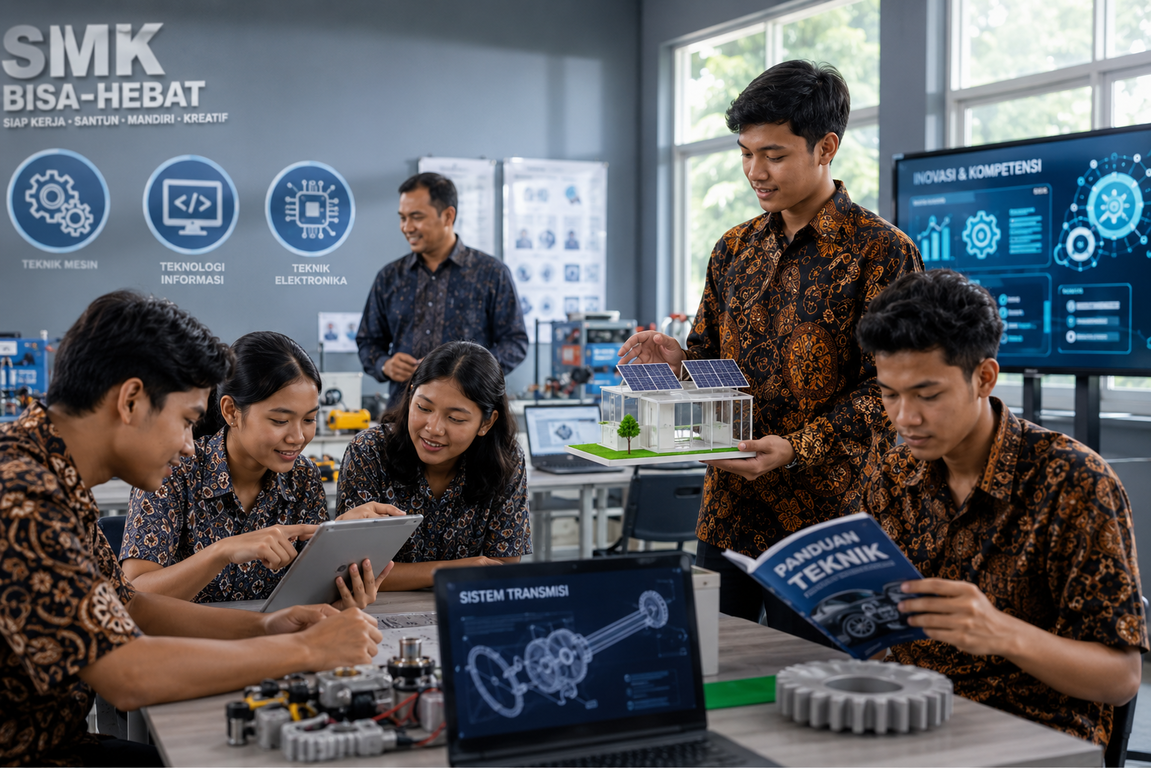
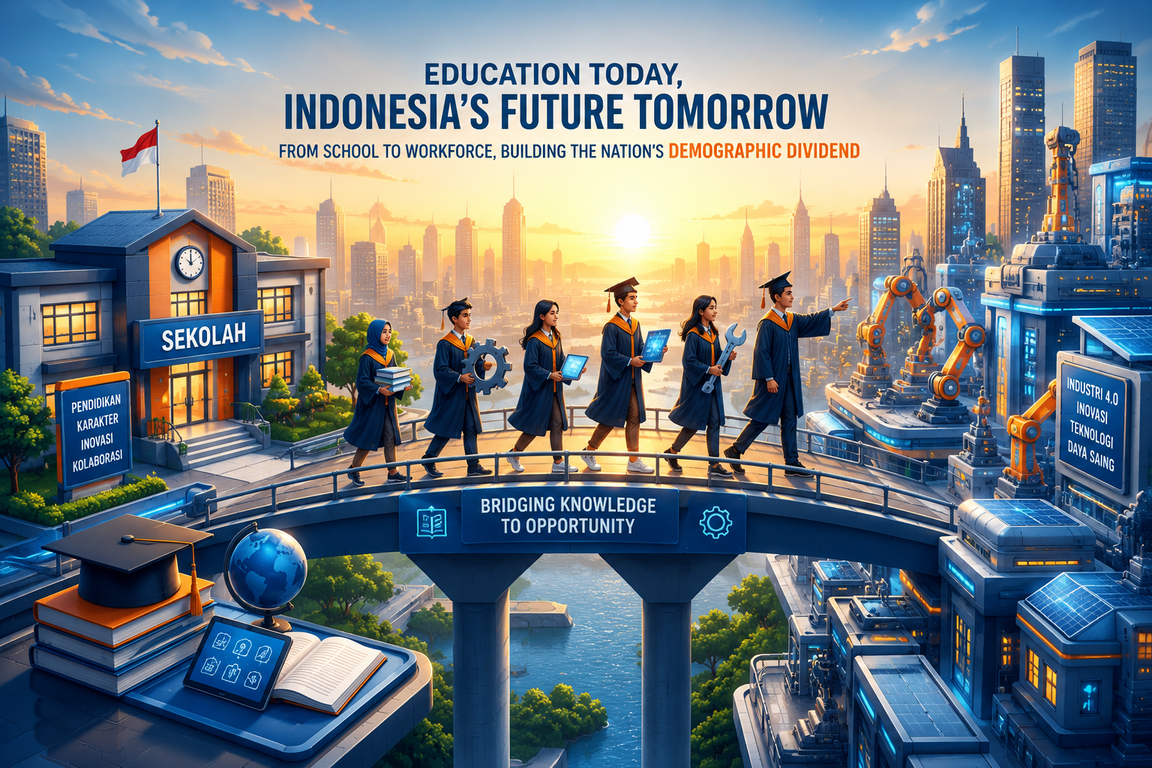
Pengangguran kaum muda di Indonesia menjadi paradoks pembangunan di mana lulusan pendidikan formal, khususnya Sekolah Menengah Kejuruan (SMK), dengan tingkat pengangguran 13,55% pada tahun 2020, justru sulit terserap oleh pasar kerja akibat ketidaksesuaian (mismatch) kompetensi yang mencapai angka di atas 50%. Artikel ini mengeksplorasi peran pendidikan fungsional dan vokasional (TVET) sebagai solusi strategis untuk menjembatani kesenjangan antara teori akademik dan kebutuhan praktis industri. Melalui pendekatan pembelajaran yang berorientasi pada hasil nyata (doing), penguatan sistem ganda (dual system), dan pemanfaatan kebijakan seperti Super Deduction Tax, pendidikan dapat bertransformasi dari sekadar mencetak ijazah menjadi penghasil tenaga kerja kompetitif dan pencipta lapangan kerja. Transformasi ini, yang didukung oleh digitalisasi dan sinergi lintas sektoral, merupakan kunci utama dalam mengatasi tantangan pengangguran muda secara berkelanjutan demi mengoptimalkan bonus demografi Indonesia.
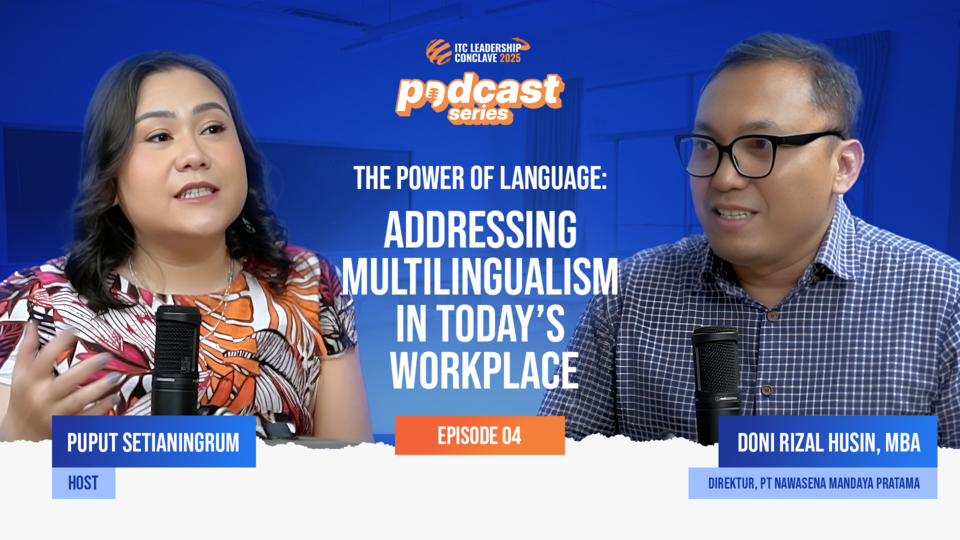
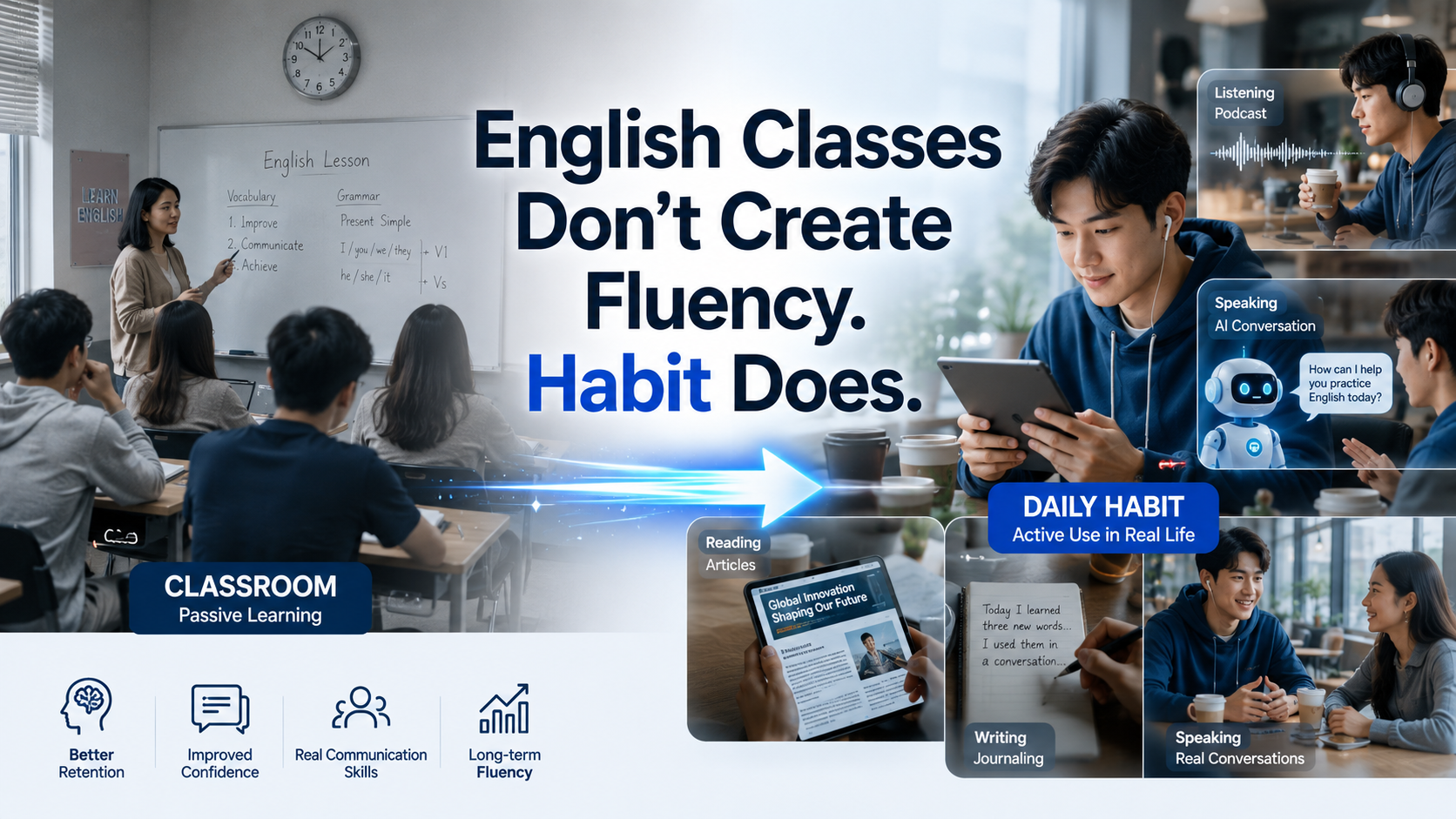
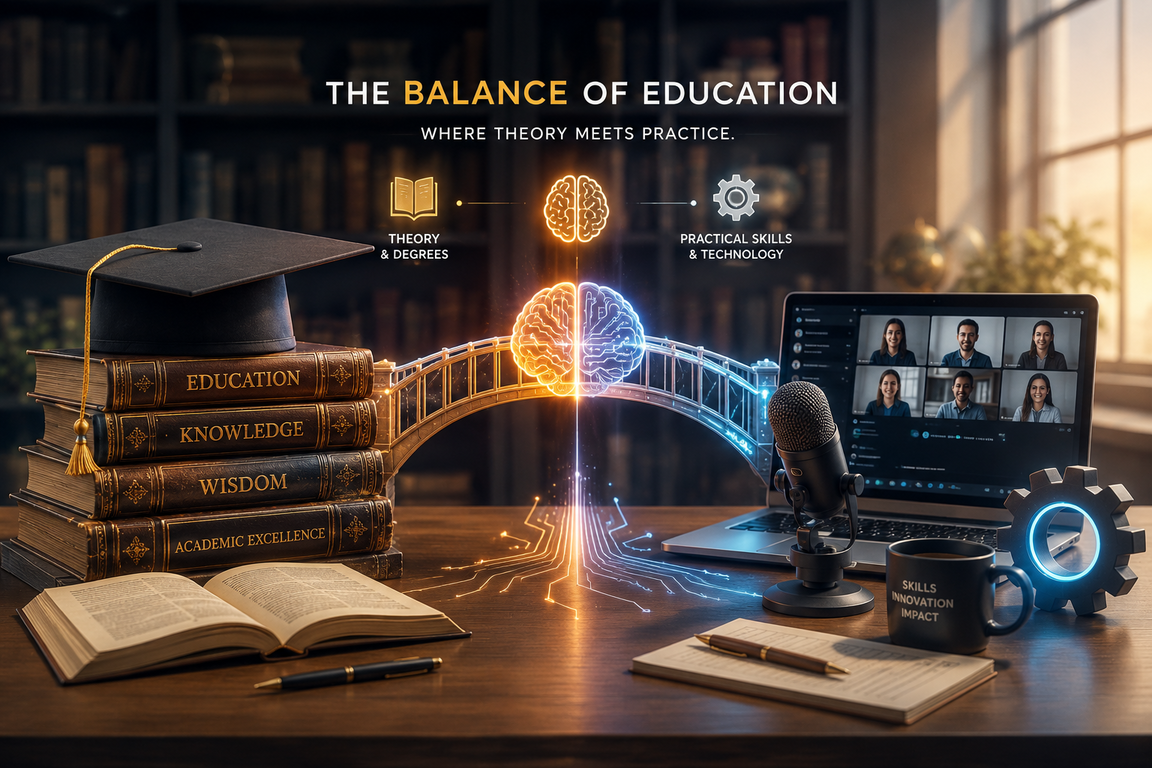
Diskursus mengenai efektivitas antara pengetahuan teoretis dan praktis tetap menjadi pusat perhatian dalam dunia pendidikan, khususnya dalam penguasaan bahasa Inggris sebagai bahasa asing. Artikel ini menganalisis dikotomi tersebut dengan meninjau data empiris mengenai keberhasilan pembelajar bahasa (Good Language Learners) di Indonesia serta tren global menuju pendidikan berbasis keterampilan. Pengetahuan teoretis diakui sebagai fondasi konseptual, sementara pengetahuan praktis berfungsi sebagai sarana implementasi dan adaptasi dunia nyata. Dengan mensintesis teori sosiokultural dan data strategi belajar milenial, artikel ini mengeksplorasi model integratif sebagai solusi optimal bagi siswa masa kini. Kesimpulan artikel ini menekankan pada pentingnya keseimbangan antara gelar akademik dan kemahiran teknis, sembari mengajak para pendidik untuk merefleksikan prioritas instruksional mereka.
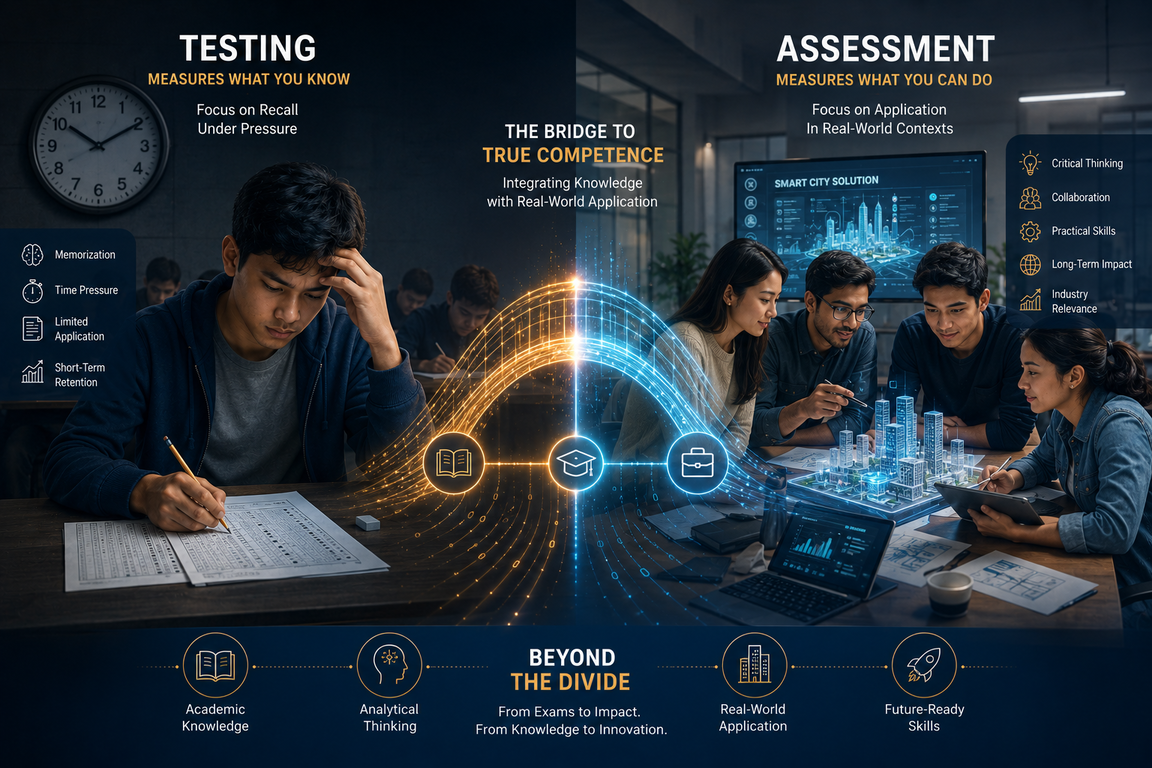
Artikel ini menganalisis pergeseran paradigma dari ujian tradisional yang berbasis retensi informasi menuju sistem asesmen holistik yang selaras dengan kebutuhan industri abad ke-21. Melalui tinjauan data global, ditemukan adanya kesenjangan kompetensi di mana 60% siswa berprestasi dalam ujian justru gagal dalam aplikasi praktis. Artikel ini mengeksplorasi model asesmen berbasis kinerja (performance-based assessment) dan multiple measures sebagai solusi untuk menjembatani dunia akademik dan profesional. Penulis berargumen bahwa integrasi antara kualifikasi formal (gelar) dan penguasaan kompetensi adaptif (keterampilan) merupakan format evaluasi yang paling relevan bagi siswa saat ini, sembari memberikan ruang bagi pembaca untuk mengevaluasi efektivitas metode tersebut dalam konteks institusi masing-masing.
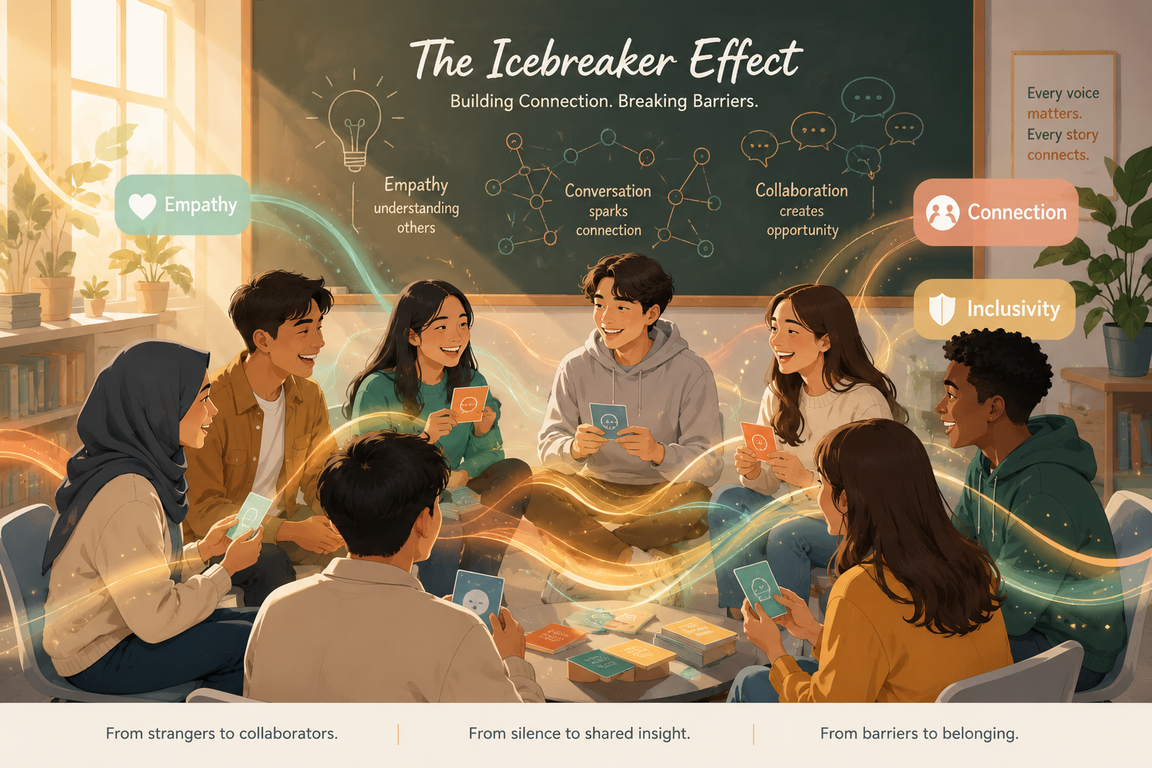
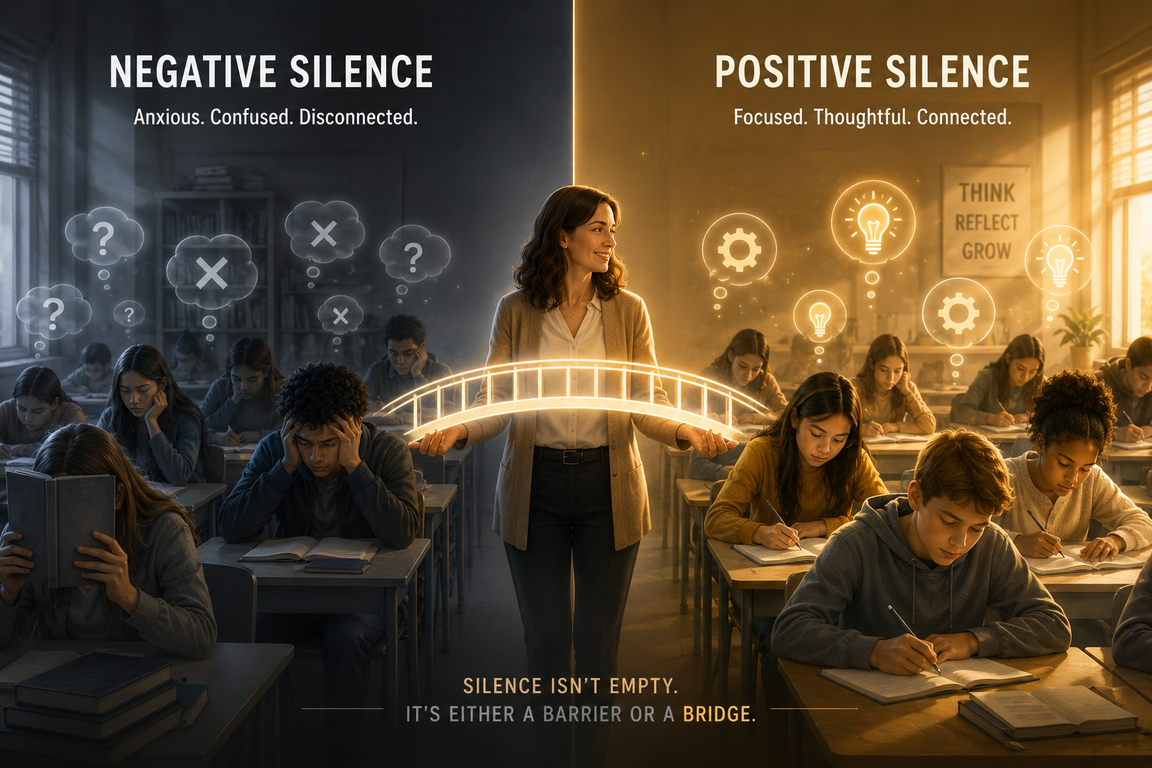
Silence in the classroom is often misinterpreted as a singular state of either perfect discipline or complete disengagement. However, research reveals that silence is a complex spectrum ranging from the "silence of fear" to the "golden silence" of deep reflection. This article explores the nuanced meanings behind student silence, distinguishing between negative reticence—driven by anxiety, low confidence, and peer pressure—and positive silence, which facilitates independent processing and "deep work". By understanding these drivers, educators can implement strategies to break the barriers of negative silence through student-centered activities while intentionally nurturing purposeful quiet to enhance learning outcomes
Imagine a world where 100% of students don't just pass—they excel, reaching scores they never thought possible. This is a reality where 97% of learners are so engaged that they actively ask to continue their journey long after the official program ends. From the high-stakes offices of the ASEAN Secretariat to classrooms in over 30 countries, this system effectively eliminates the paralyzing anxiety of speaking in public by providing instant, private feedback from cutting-edge AI on every word spoken or written. With over 1,000 hours of content that evolves with the user, it turns traditional learning on its head, proving that when you stop just receiving information and start experiencing it, true fluency becomes inevitable.
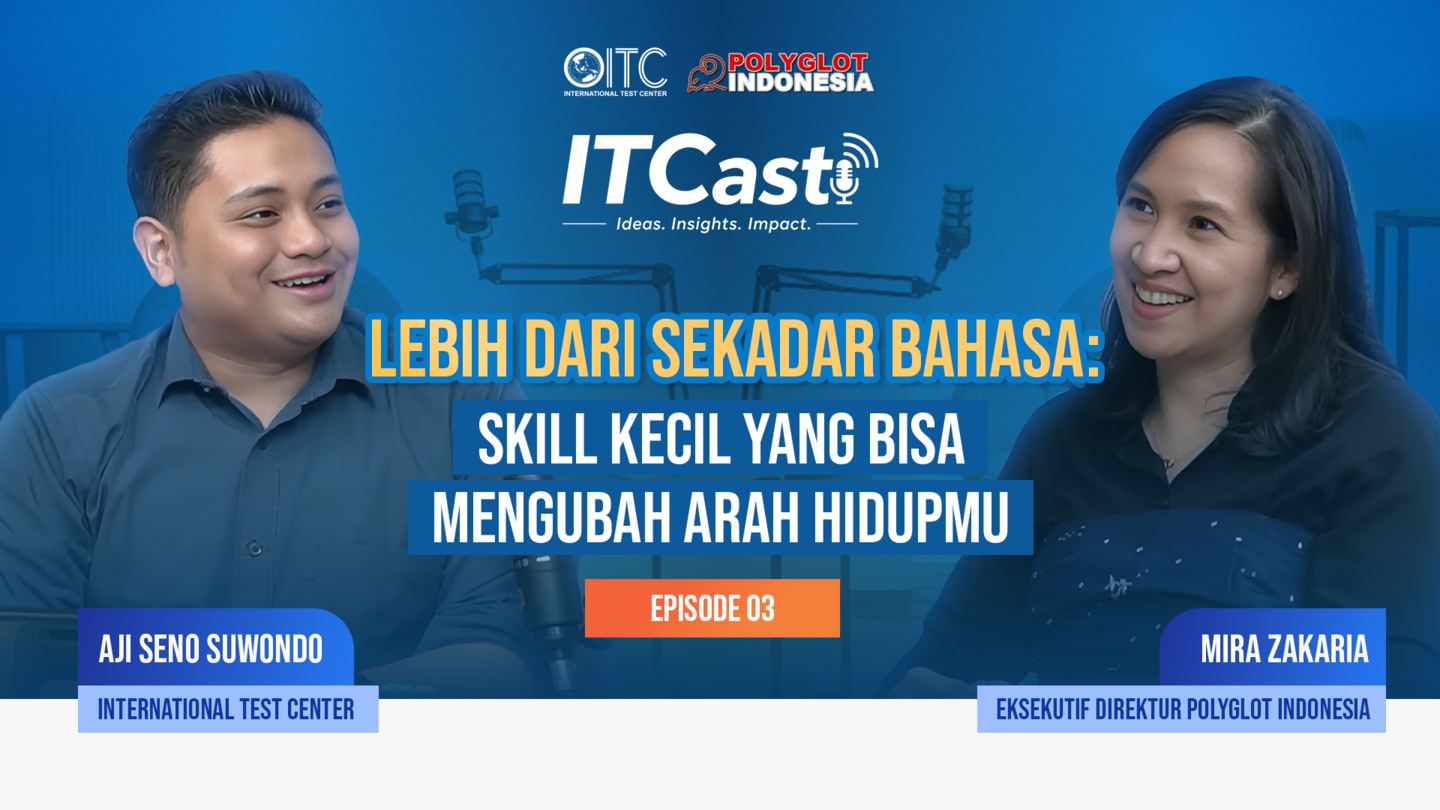
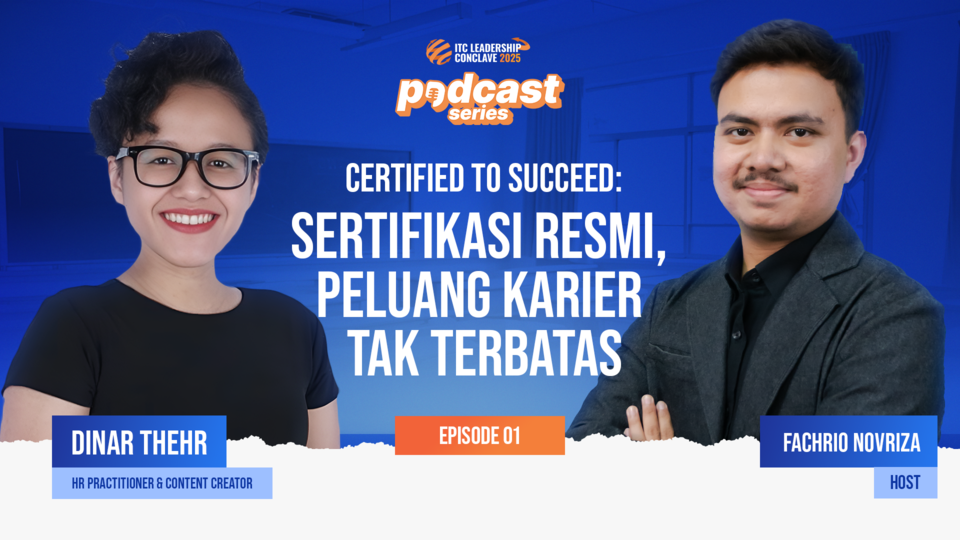
This article discusses how the job market is shifting from relying mainly on academic degrees to valuing practical, job-ready skills. While university credentials still matter in many fields, employers increasingly look for technical ability, communication, adaptability, and other “power skills.” The article highlights the need for a balanced approach that combines formal education with continuous skill development.
The integration of Artificial Intelligence (AI) into English Language Teaching (ELT) has transitioned from a futuristic concept to a transformative classroom reality. This article examines the dual role of AI as both a pedagogical assistant for educators and a personalized learning partner for students. By analyzing current trends, we detail how AI facilitates material preparation, interactive lesson presentation, and data-driven evaluation. Furthermore, the article explores the student perspective on AI's efficacy in developing language skills, ultimately arguing for a collaborative model where AI enhances rather than replaces the human element in education .
This article explores how teachers can set healthy boundaries without losing professionalism or care. By learning when and how to say “no,” educators can protect their energy, manage expectations, and stay more present for their students. The article also offers practical ways to handle classroom responses and professional demands with clarity, empathy, and confidence.
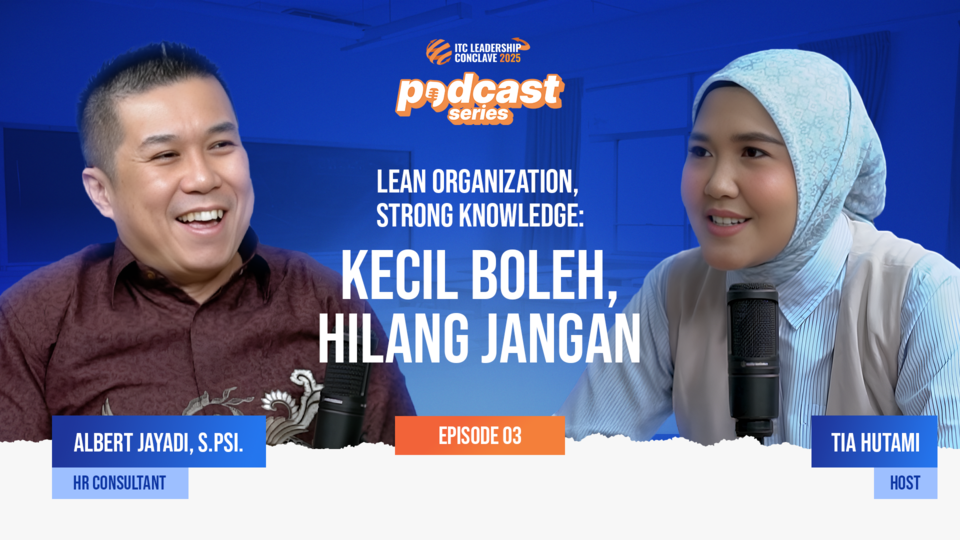
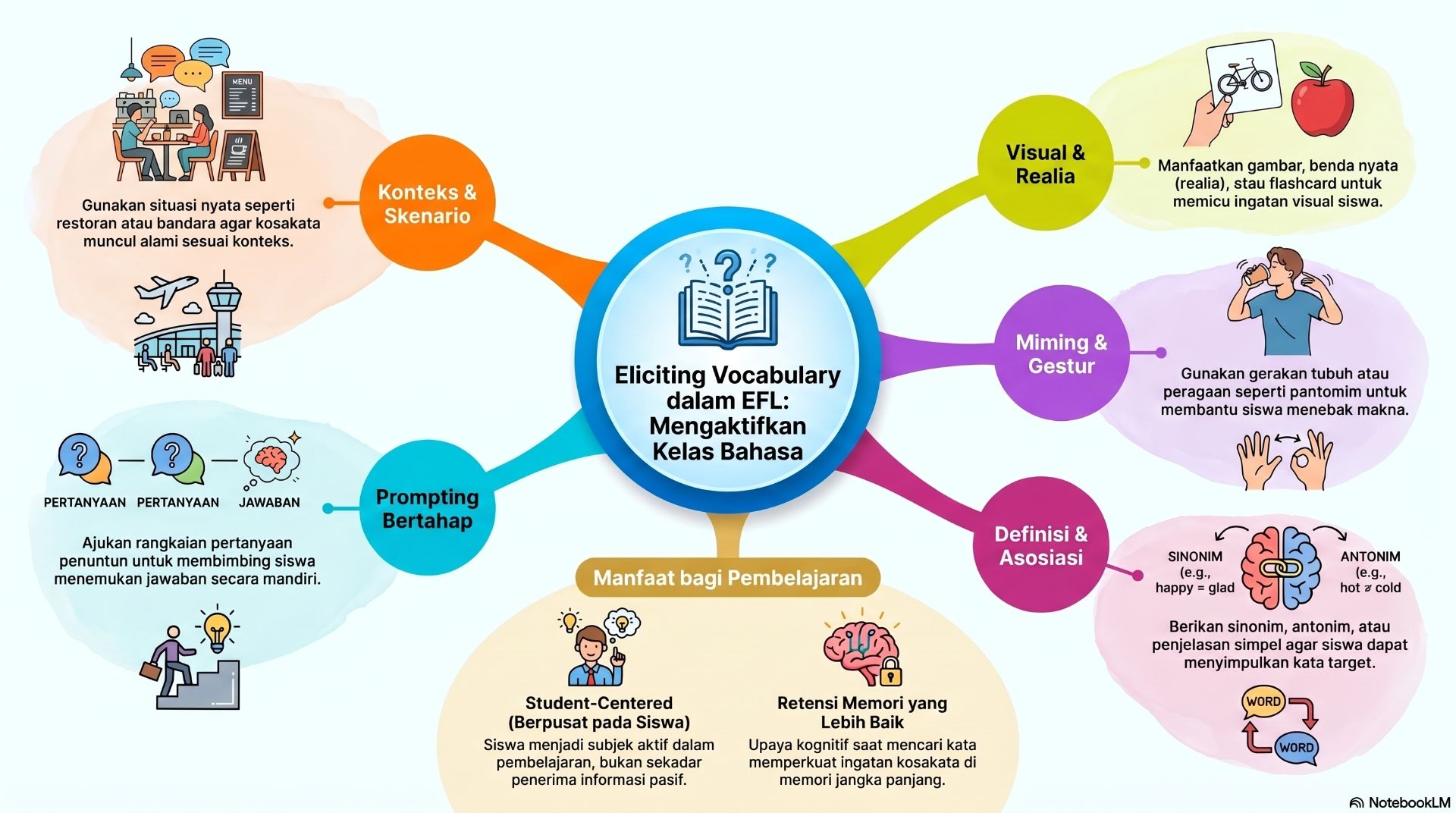
Artikel ini membahas eliciting vocabulary sebagai teknik untuk memancing siswa menemukan kosakata melalui gambar, benda nyata, gerakan, konteks, atau petunjuk bahasa. Dengan cara ini, kelas menjadi lebih aktif dan berpusat pada siswa, sekaligus membantu mereka mengingat kosakata lebih lama. Namun, guru tetap perlu menggunakan teknik ini dengan bijak agar proses belajar tidak berubah menjadi sekadar permainan menebak kata.
Artikel ini membahas strategi menghadapi tantangan kelas melalui instruksi yang jelas, manajemen waktu yang efektif, dan konsistensi yang empatik. Dengan pendekatan praktis, guru dapat mengatasi perilaku disruptif, meningkatkan keterlibatan belajar, dan menciptakan suasana kelas yang lebih stabil tanpa mengorbankan kesejahteraan mereka sendiri.
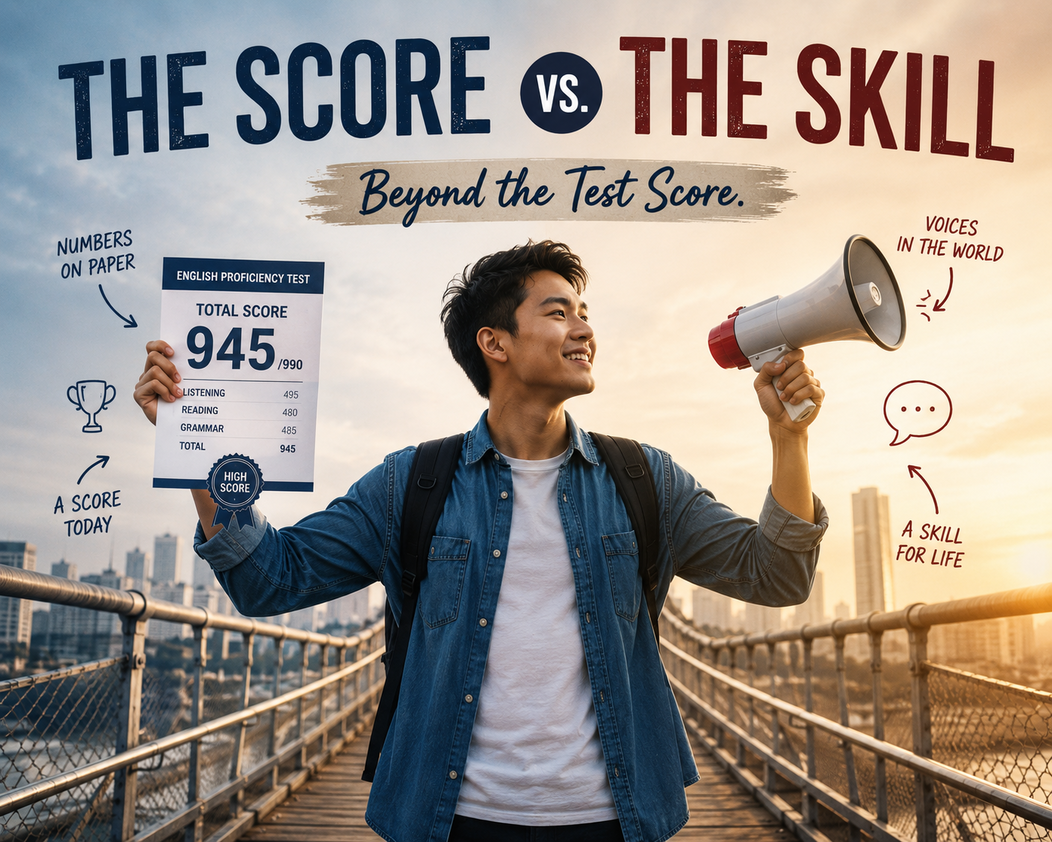
This article discusses how English exam preparation should go beyond memorization and test drills. Teachers are encouraged to use diagnostic assessment, personalized learning plans, and real-world practice to help students improve both their test performance and actual communication skills. The goal is not only to achieve higher scores, but to build confident and capable English users.
This article explores the difference between content feedback and language feedback in English classrooms. Instead of focusing immediately on grammar mistakes, teachers are encouraged to respond to students’ ideas and meaning first. By prioritizing communication over correction, students can become more confident, engaged, and willing to express themselves in English.
Materials, strategies, and insights for TOEIC preparation for teachers.
This video explains the value of the TOEIC® test as a global standard for assessing English communication skills in the workplace. It shows how the test is aligned with international frameworks like the CEFR, trusted by over 14,000 organizations worldwide, and focused on real-world professional language use.
This video introduces the multi-stage adaptive format used in the TOEIC® Listening & Reading test. It explains how the test adapts to the test taker’s performance by presenting a common first section followed by a second section tailored to their level. This format increases accuracy while maintaining consistent question types.
This video shows how the TOEIC® test includes realistic communication tasks—such as emails, phone calls, announcements, and reports—to assess the kind of English used in everyday work situations. It emphasizes practical language skills over academic grammar knowledge.